

November 11th 2024 – Lest we forget


We’re also thankful to all those who serve today for their dedication to our safety, their humanitarian work, and support of world peace.
Dental care in the trenches
Along with other medical teams, dentists play a significant role in reducing pain, in war and peace.
We know how much modern dental treatment has improved, thanks to the pioneers of the early twentieth century. Back in the days of ‘the great war’, lack of dental care was an additional cause of pain.
Did you know?

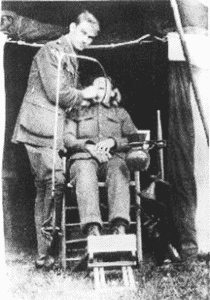
Remembrance Day: Dentistry in the field. British Dental Journal
- At the start of the war in 1914 many volunteers were rejected because their teeth were so bad.
- In November 1914, twelve dental surgeons were sent to France.
- By the end of 1914, a soldier could not be discharged just because he had too many lost or bad teeth.
- From February 1915 all recruits with bad teeth would be passed as fit, so long as they were treated once they got to their depot.
- The most common way to cure toothache, was to pull the tooth out.
- Trench warfare caused terrible facial injuries and surgeons had to pioneer new treatments.
- 1918 saw 850 dental officers in the Royal Army Medical Corps.
- The Royal Army Dental Corps formed in 1921. The motto is: Ex Dentibus Ensis – from the teeth a sword.